


How Do 100% Recyclable Glass Bottles Support Sustainable Packaging?
Release time: 2026-09-04
Table of Contents
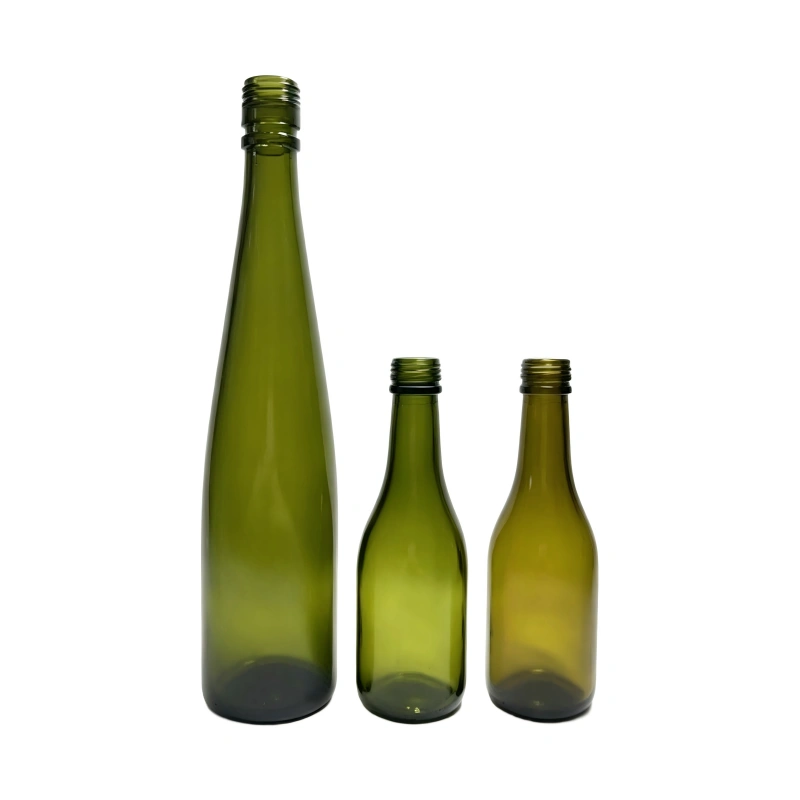
As brands rethink the way they package beverages, food, cosmetics, and other consumer products, recyclability is becoming a more important part of the conversation. Packaging needs to do more than protect a product during transportation and storage. Increasingly, brands are also looking at what happens to the package after the product has been consumed. This is where 100% Recyclable Glass Bottles can play an important role. Instead of viewing a bottle as a single-use container, brands can consider its potential to remain within a material cycle after use. Glass has already been widely used across different packaging industries, and its recycling characteristics make it a practical option for companies developing more responsible packaging strategies. When collection, sorting, and recycling processes are properly established, 100% Recyclable Glass Bottles can connect product packaging with a broader approach to Sustainable Packaging and circular material use.
How Do 100% Recyclable Glass Bottles Support Sustainable Packaging?
Why Are 100% Recyclable Glass Bottles Relevant to Sustainable Packaging?
The main value of 100% Recyclable Glass Bottles comes from what can happen after the bottle has served its original purpose. A package does not necessarily have to become waste simply because the product inside has been consumed. With an appropriate collection and recycling process, used glass bottles can be processed and returned to glass production. This gives the material another potential use instead of ending its lifecycle after one application.
This is an important distinction when discussing sustainable packaging. Sustainability is not only about choosing a material with a lower environmental impact at the manufacturing stage. It also involves considering how the material is collected, processed, reused, or recycled after use. In this context, Recyclable Glass provides a useful foundation for a more circular packaging model. Glass is recognized as a material that can be recycled repeatedly without losing its intrinsic properties, provided it is properly collected and processed.
How Can 100% Recyclable Glass Bottles Return to the Recycling Loop?
The recycling process helps explain why 100% Recyclable Glass Bottles can fit into a circular packaging strategy. After consumers finish using a glass bottle, the container can enter a collection system. The collected material is then sorted and processed, with suitable glass being prepared as cullet. This Recycled Glass can be used as part of the raw material mix in new glass production.
The basic process can be understood as:
Glass Bottle → Collection → Sorting → Glass Cullet → Glass Production → New Glass Bottle
The important point is that the bottle can become a resource for another production cycle. Glass industry organizations describe this approach as a closed-loop model, where recovered glass is remelted and used to make new containers. High-quality cullet is particularly important because the quality and availability of recovered glass directly influence its suitability for bottle-to-bottle production.
For brands considering 100% Recyclable Glass Bottles, this means the packaging decision can be viewed beyond the first use. The potential second life of the material becomes part of the overall packaging story.
Where Can 100% Recyclable Glass Bottles Be Used?
Another reason 100% Recyclable Glass Bottles are attractive is their versatility. Glass packaging is used across food, beverage, pharmaceutical, cosmetic, and perfumery applications, allowing brands to consider recyclable glass for different product categories.
| Application | Typical Products | Packaging Considerations |
| Beverage Packaging | Water, juice, dairy drinks, wine, beer, cider | Product protection, capacity, bottle shape |
| Food Packaging | Sauces, condiments, preserved foods | Convenience, storage, sealing |
| Spirits Packaging | Liquor and premium spirits | Brand image, bottle design, shelf appeal |
| Cosmetic Packaging | Skincare and beauty products | Appearance, finish, premium presentation |
| Perfume & Essential Oils | Perfume, fragrance, essential oils | Bottle shape, visual identity, product positioning |
| Pharmaceutical Packaging | Selected pharmaceutical products | Product compatibility and packaging requirements |
This flexibility gives brands more room to develop a consistent packaging strategy across different product categories. Instead of choosing a recyclable material only for one product line, companies can consider 100% Recyclable Glass Bottles for multiple applications where the bottle format, product requirements, and market expectations are suitable.
Can 100% Recyclable Glass Bottles Combine Sustainability and Design?
Sustainable packaging still needs to look good. For many consumer products, packaging is one of the first things customers notice, particularly in crowded retail environments. A bottle may need to communicate quality, product positioning, and brand identity before the consumer even reads the label.
100% Recyclable Glass Bottles offer considerable design flexibility in this area. Brands can work with different bottle shapes, capacities, colors, finishes, and labeling approaches. This is particularly useful for wine, spirits, perfume, and cosmetic packaging, where the appearance of the container can contribute strongly to the perceived value of the product.
This combination is important because sustainability should not automatically mean compromising on presentation. A well-designed 100% Recyclable Glass Bottles solution can support a brand’s environmental positioning while still creating a distinctive shelf presence. For premium brands, this makes recyclable glass especially interesting as a packaging material that can connect sustainability with visual appeal.
What Role Does Recycled Glass Play in 100% Recyclable Glass Bottles?
The relationship between 100% Recyclable Glass Bottles and Recycled Glass is worth understanding. Recyclable refers to the potential of a material to enter a recycling process, while recycled glass refers to glass that has already been recovered and processed for reuse.
Cullet is a key part of this process. Once suitable waste glass is collected and processed, it can become furnace-ready cullet. Manufacturers can then use this recovered material in the production of new glass containers. Using cullet can reduce the need for newly extracted raw materials and support more efficient glass production.
For brands, this creates a clearer connection between the bottle they purchase today and the material that could potentially be used again tomorrow. It also shows why the recycling stage should be considered when evaluating the sustainability of 100% Recyclable Glass Bottles.
How Do 100% Recyclable Glass Bottles Fit a Circular Packaging Strategy?
A circular packaging strategy looks beyond production and first use. It considers how packaging moves through the entire material lifecycle. 100% Recyclable Glass Bottles can fit this model because the material can potentially move from packaging, to collection, to recycling, and back into production.
However, it is important not to treat recyclability as an automatic guarantee that every bottle will be recycled. Collection systems, sorting quality, recycling facilities, and consumer participation all influence the actual outcome. A successful closed-loop approach therefore depends not only on the recyclable nature of the bottle but also on the infrastructure supporting its recovery.
This means the strongest Sustainable Packaging strategy considers the entire chain. The bottle itself is one part of the solution, while collection and recycling infrastructure provide the support needed to keep the material moving through the loop.
What Should Brands Consider When Choosing 100% Recyclable Glass Bottles?
Product Type and Packaging Requirements
When evaluating 100% Recyclable Glass Bottles, brands should first consider the product being packaged. Beverages, food products, cosmetics, perfumes, and pharmaceutical products may have different requirements for bottle shape, capacity, protection, filling, and storage.
For beverages, product protection and bottle format may be major considerations. For cosmetics and perfumes, appearance and premium presentation may carry more weight. Food products may require practical shapes and convenient sizes, while pharmaceutical packaging may involve more specific technical requirements.
Bottle Shape, Capacity, and Packaging Design
Bottle design also plays an important role in the final packaging decision. Shape, capacity, color, finish, label area, and closure compatibility can all influence how 100% Recyclable Glass Bottles perform in a particular product application.
Brands should therefore balance functional requirements with visual identity. A suitable bottle should protect the product while also fitting the brand’s positioning and packaging design.
Recycling Conditions in the Target Market
Brands should also consider whether their target markets have effective glass collection and recycling infrastructure. A packaging material can have strong recycling potential, but the real circularity of the package depends on what happens after consumers finish using it.
Collection systems, sorting facilities, processing capacity, and consumer participation can all affect the recovery of glass. Understanding these conditions helps brands develop a more realistic Sustainable Packaging strategy.
Brand Sustainability Goals
Finally, 100% Recyclable Glass Bottles should be considered as part of the brand’s broader sustainability goals rather than as an isolated packaging choice.
Some brands may focus on recyclable packaging, while others may want to combine glass with compostable packaging or suitable closures. By considering the complete packaging system, companies can select solutions that better match their products, markets, and long-term sustainability direction.
Why Choose Gowingeco for Sustainable Packaging Solutions?
Gowingeco provides a broader approach to sustainable packaging through three main product categories: Infinite Circular Glass, Zero-Waste Compostable, and Caps & Closures. For brands considering 100% Recyclable Glass Bottles, Infinite Circular Glass is directly relevant to recyclable glass packaging across beverage, food, cosmetic, pharmaceutical, and other applications. Zero-Waste Compostable provides an alternative direction beyond glass, while Caps & Closures complement different packaging formats. Together, these categories give brands more options when developing packaging solutions around product needs and sustainability goals.
FAQ
Are 100% Recyclable Glass Bottles Really Recyclable?
Yes. Glass is a recyclable packaging material and can be collected, processed into cullet, and used in new glass production when appropriate recycling infrastructure is available.
What Is the Difference Between Recyclable Glass and Recycled Glass?
Recyclable Glass describes glass that can enter a recycling process, while Recycled Glass refers to glass that has already been recovered and processed for reuse. Recycled glass can be used as cullet in new glass production.
Where Can 100% Recyclable Glass Bottles Be Used?
They can be used across many applications, including beverages, wine, beer, cider, food and condiments, perfume, cosmetics, essential oils, and pharmaceutical packaging.
What Is Glass Cullet?
Glass Cullet is processed recovered glass that can be used as a raw material in glass manufacturing. It plays an important role in bottle-to-bottle recycling and closed-loop glass packaging.