






UK Glass Bottle Anti Dumping Rates Explained
Release time: 2026-09-20
Prepared 16 September 2026. Check current official guidance before relying on this article for a shipment.
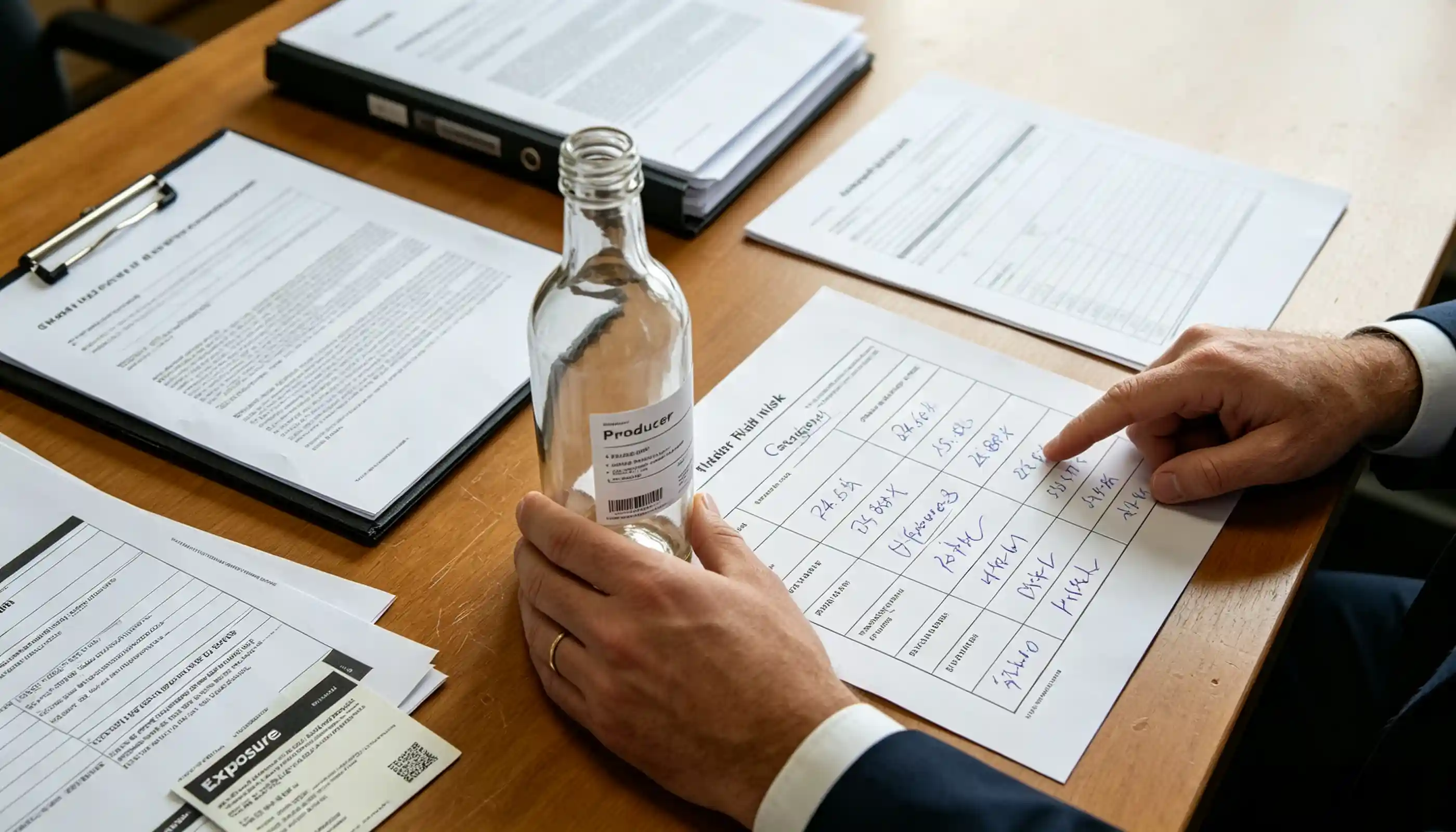
Start with a verified rate rather than a headline
A glass bottle quotation needs more than a unit price. The buying decision also depends on the manufacturing source and the evidence available to support the import treatment. A useful rate review connects the specific product, the producer and the documentation in one purchase file.
The official provisional rates are 24.65%, 25.88%, 26.87% and 52.97%. The first and third are specified group rates; 25.88% covers non-sampled cooperating exporters or producers; 52.97% is the residual rate. The categories are defined by the official notice, not by a supplier’s marketing description. Consult its Annex 1 for the named entities and additional codes.
Build a rate evidence record
Create a dated record with the actual producer’s legal identity, factory address, product reference, relevant notice and supporting invoice. Ask the customs broker to review the claimed category before you use it as the base case in your budget.
A seller saying that it works with a qualifying factory is a starting point for investigation. It should be followed by documents connecting that factory to the goods being ordered. If the production location changes after sample approval, reopen the review.
Compare uncertainty as well as price
Prepare one scenario using the supported category and another using the residual rate. The second scenario shows the commercial exposure if the first cannot be supported. It does not authorise choosing a rate without evidence.
For example, on an illustrative £20,000 customs value, 25.88% gives £5,176 and 52.97% gives £10,594: a £5,418 difference in estimated anti-dumping exposure. This comparison excludes ordinary duty, VAT, freight outside the valuation basis and fees.
Turn the review into a purchase condition
Before paying a deposit, agree who provides the producer information and when the final document set will be reviewed. Keep responsibility for customs decisions with the importer and its adviser.
Do not publish a supplier ranking based only on headline rates. A lower rate does not establish product quality, capacity, delivery performance or suitability for your filling line. Evaluate those separately.
Related guides
Pre-shipment residual rate checklist
Discuss your packaging project with Gowing
Send a bottle photo or drawing, capacity, intended use, quantity and delivery target. These details help structure a discussion of the specification, manufacturing information and quotation requirements.
Contact Gowing about a UK glass packaging project
Explore Gowing glass packaging
Sources and scope
UK Government current glass container trade remedies notice
General procurement information. Shipment classification, customs and tax treatment require product-specific review by the importer and its advisers. Calculations and scenarios are illustrative.