





Glass Bottles vs Plastic Bottles: Which Is More Sustainable?
Release time: 2026-09-26
Table of Contents
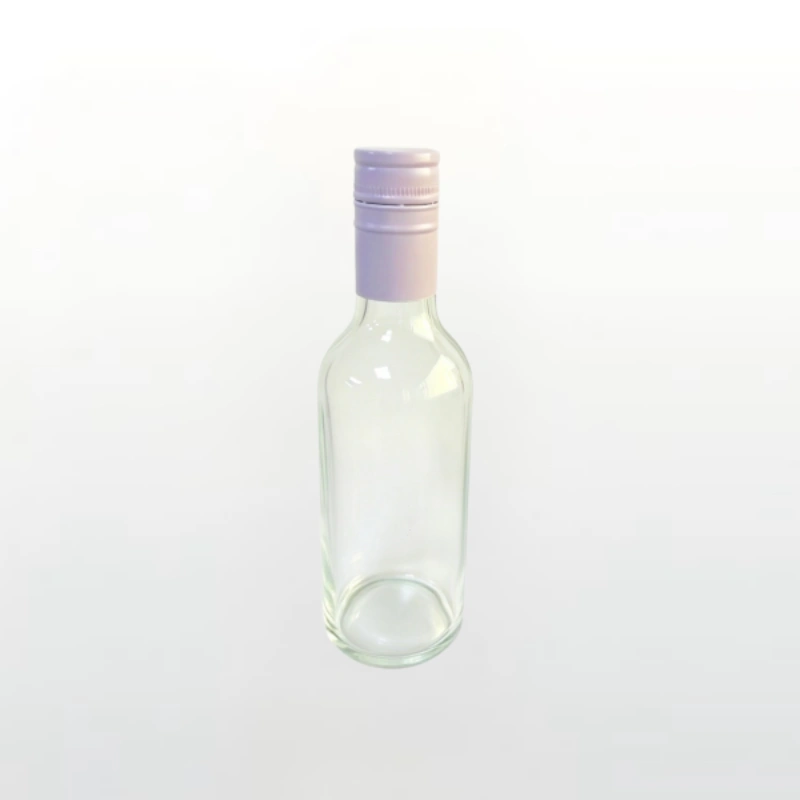
When brands evaluate packaging sustainability, the choice between glass and plastic is rarely as simple as choosing the material that can be recycled. Both materials have different environmental profiles across manufacturing, transportation, product protection, reuse, recycling, and end-of-life recovery. The right choice depends heavily on how a bottle is produced, transported, used, and recovered after consumption.
For companies looking to reduce packaging impact, Recyclable Glass Bottles remain an important option, particularly for food, beverage, and premium consumer products. At the same time, lightweight plastic can offer advantages in transportation and material efficiency. Comparing the two requires a broader lifecycle perspective rather than focusing on recyclability alone.
How Should Glass and Plastic Bottle Sustainability Be Compared?
A meaningful comparison should consider the complete packaging lifecycle. Manufacturing energy, raw material use, bottle weight, transportation distance, recycled content, product protection, and end-of-life recovery can all influence the final environmental impact.
Glass has a strong advantage in material recovery because glass containers can be processed into cullet and used as a raw material for new glass production. Plastic can also be recycled, particularly when suitable collection and sorting systems are available, but different plastic types have different recycling pathways and technical requirements.
This means that a bottle being technically recyclable does not automatically guarantee a lower environmental impact. Local infrastructure matters as well. A material with a strong recovery system in the target market may perform better in practice than one that is theoretically recyclable but rarely collected or properly processed.
Does Bottle Weight Make Plastic More Sustainable?
One of the clearest differences between glass and plastic is weight. A glass bottle generally weighs considerably more than a comparable plastic container. This affects transportation because heavier packaging requires more energy to move, especially when products travel long distances or pass through multiple distribution stages.
For large beverage shipments, this factor can become particularly important. Lightweight plastic containers may allow more products to be transported with less packaging mass, which can improve logistical efficiency. This does not automatically make plastic the more sustainable choice, but it shows why transportation should be included in the comparison.
Glass manufacturers can address part of this challenge through lightweight bottle design, optimized wall thickness, and efficient production. Choosing the appropriate bottle capacity and shape can also reduce unnecessary material use. For brands comparing Sustainable Packaging options, packaging weight should therefore be evaluated together with recyclability and product requirements.
How Do Recycled Content and Material Recovery Affect the Choice?
Recycled content is another important factor when comparing glass and plastic. Using recovered material can reduce the need for virgin raw materials and help packaging systems move toward a more circular model.
For glass, recovered container glass can be processed into cullet and introduced into new glass production. This creates a direct connection between used bottles and future packaging. The quality of collection and sorting is important because contaminants and unsuitable materials can affect the recycling process.
Plastic packaging can also incorporate recycled resin, including post-consumer recycled material where appropriate. However, the available recycled content depends on the type of plastic, application requirements, regulatory considerations, and supply chain availability.
For this reason, brands should ask not only whether a bottle is recyclable, but also how much recycled material can realistically be incorporated and whether the local system can recover the packaging after use.
Which Material Works Better for Different Applications?
The best bottle material often depends on the product itself. Beverage packaging is a good example. Glass bottles are widely used for beer, dairy beverages, specialty drinks, and premium products where appearance, product positioning, and material recovery are important. Glass can also provide a strong barrier and a distinctive consumer experience.
Plastic may be more practical for products that need extremely lightweight packaging, flexible transportation, or resistance to impact during distribution. For some large-scale beverage applications, reducing packaging weight can be a significant logistical advantage.
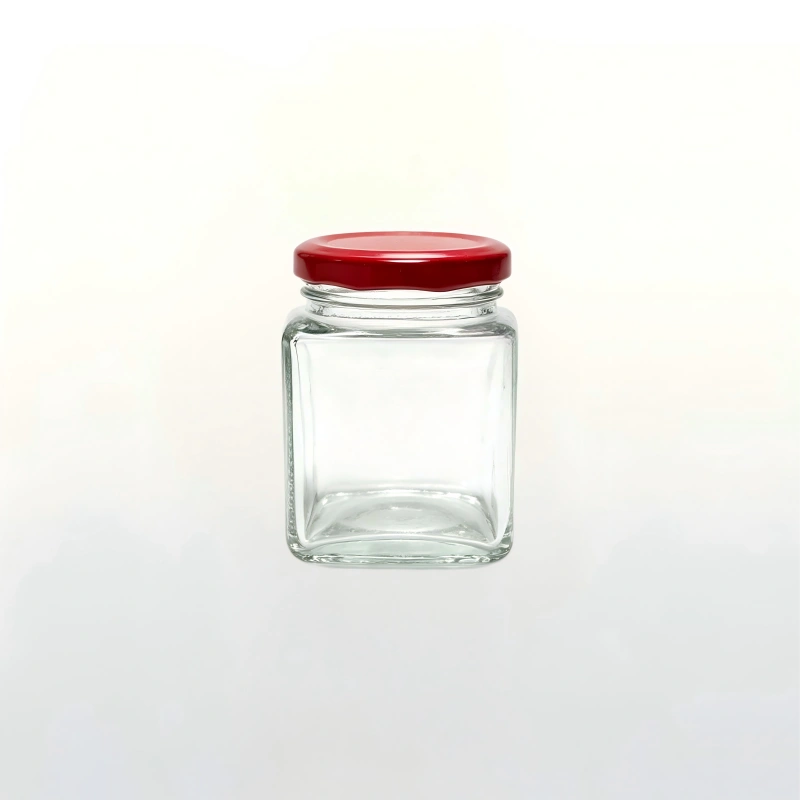
Food packaging presents a similar choice. Glass jars are suitable for products such as sauces, preserves, spices, and other foods where visibility, rigidity, and barrier performance are valuable. Plastic containers may be preferred when low weight, easy handling, or specific design flexibility is more important.
Cosmetic packaging also requires a balance between appearance and practicality. Glass can create a premium visual impression, while plastic may provide greater design flexibility and lower shipping weight. The application should therefore guide the material decision rather than a general assumption that one material is always better.
Is Glass Always More Sustainable Than Plastic?
Not necessarily. Glass has strong sustainability characteristics, particularly its recyclability and ability to return to glass production through material recovery. However, its relatively high weight can increase transportation impacts. Plastic has the opposite profile in some areas: its lightweight nature can reduce transportation requirements, while recycling performance varies significantly by resin type and local infrastructure.
The most sustainable option is therefore the one that fits the entire supply chain. A short-distance beverage product sold in a market with effective glass collection may benefit greatly from glass packaging. A lightweight product shipped across long distances may have different priorities.
Bottle design also matters. A poorly optimized glass bottle can use unnecessary material, while a well-designed lightweight bottle can reduce resource use. Similarly, plastic packaging can perform better when it uses recycled content and is designed for effective recovery.
How Can Brands Make a More Practical Packaging Decision?
Instead of asking whether glass or plastic is universally more sustainable, brands should compare the materials according to their actual product and distribution conditions. Consider how far the packaging will travel, how much material is required, how the bottle protects the product, and what happens after the consumer finishes using it.
For beverage and food brands, glass can provide a combination of product protection, visual appeal, durability, and recyclability. Gowing ECO’s product range includes glass formats such as beer bottles, dairy bottles, food jars, and spice bottles, making glass suitable for several packaging applications. Its focus on Glass Packaging also connects with a broader circular approach to packaging development.
Ultimately, sustainable packaging is about making a balanced material decision. Recyclability is important, but it should be considered alongside weight, recycled content, transportation, product performance, and recovery infrastructure. By evaluating the complete lifecycle, brands can select packaging that better matches both their sustainability goals and real-world supply chain requirements.
FAQ
Are recyclable glass bottles more sustainable than plastic bottles?
They can be, especially when glass is effectively collected and recycled. However, sustainability also depends on bottle weight, transportation, recycled content, and local recovery infrastructure.
Are glass bottles 100% recyclable?
Yes, glass bottles can be recycled repeatedly without losing their basic material properties. However, actual recycling depends on local collection, sorting, and processing systems.
Is glass or plastic better for beverage packaging?
It depends on the application. Glass works well for beer, dairy, and premium beverages, while plastic can be more practical when lightweight packaging and transportation efficiency are priorities.
What should brands consider when choosing sustainable packaging?
Brands should consider recyclability, recycled content, packaging weight, transportation, product protection, and local recycling infrastructure rather than relying on a single sustainability factor.