





The Hidden Costs of “Cheap” Glass Bottles: A B2B Buyer’s Sourcing Guide
Release time: 2026-07-27
When evaluating custom glass packaging quotes, purchasing managers often focus on a single metric: unit price per bottle. However, in global B2B procurement, the invoice price is only a fraction of the total cost of ownership.
At Gowing, we frequently see brand owners suffer from what appears to be a “cost-saving” supplier choice that ends up costing tens of thousands of dollars downstream.
The Three “Invisible” Costs in Glass Procurement:
1. The Freight Breakage Pitfall
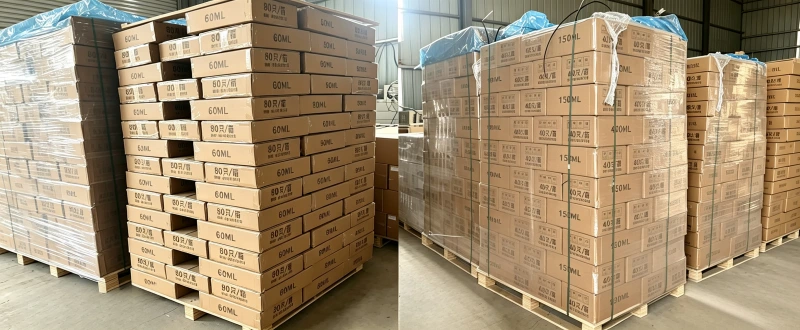
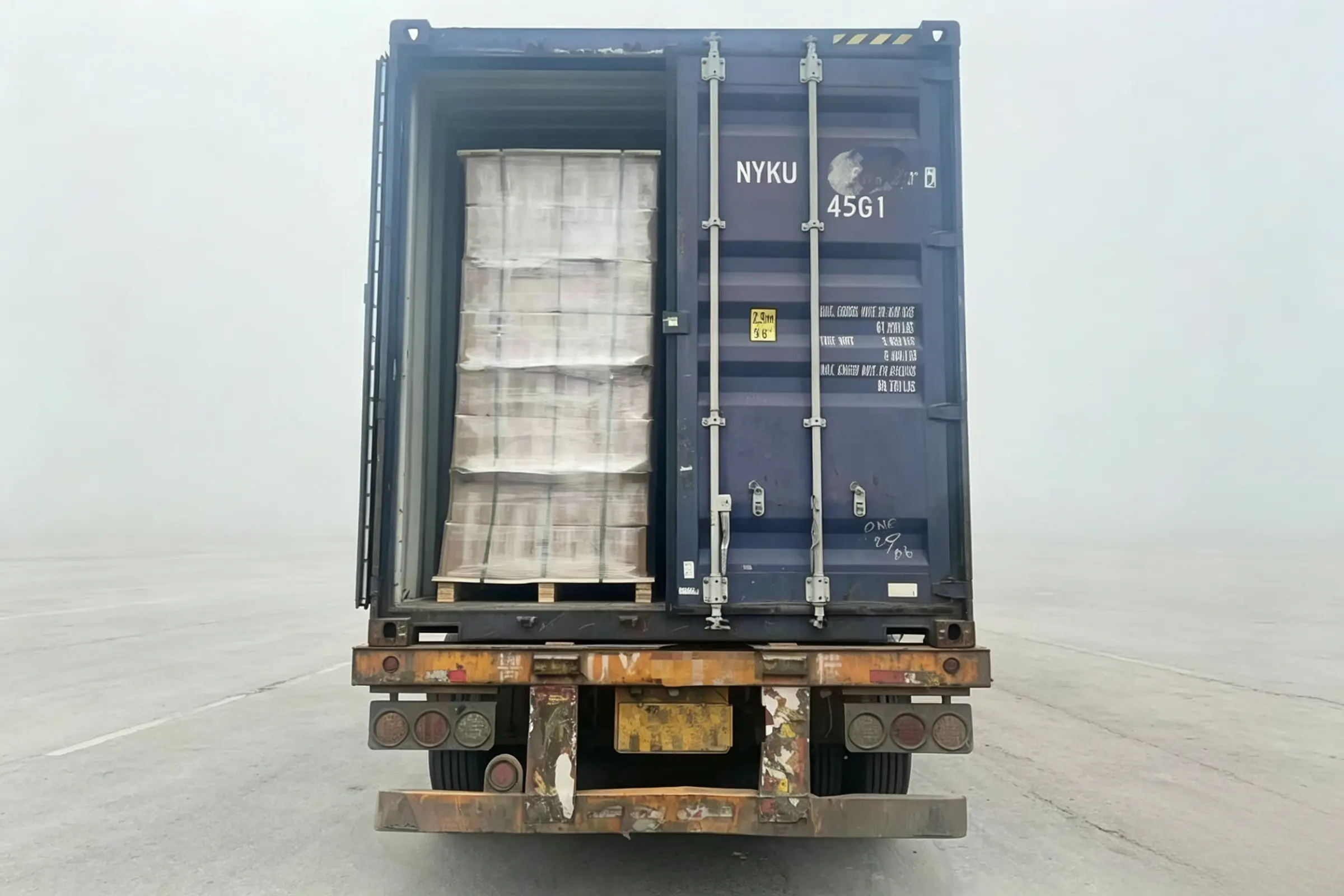
Saving $0.03 per bottle by using thinner packaging dividers or lighter master cartons often results in a 5–10% breakage rate upon pallet arrival. Worse, traditional factories often pass the blame onto ocean carriers, leaving buyers tangled in months of insurance claims.
The Gowing Standard: We use heavy-duty industrial dividers and reinforced cartons. Our rule is simple: We take full accountability for our logistics—if it arrives broken, we refund or replace it immediately based on clear photos.
2. Production Line Stoppage Expenses
A bottle neck finish that deviates by just a fraction of a millimeter might pass basic manual inspection, but it will jam an automated high-speed filling line. A halted production line costs infinitely more than any savings on bottle unit price.
The Gowing Standard: If fitting friction occurs on your floor, our senior technicians join live video calls directly with your engineers to resolve machinery parameters real-time.
3. “Aesthetic Jetlag” and Mold Re-work
When a client asks for a “sleek, luxurious silhouette,” an inexperienced factory might produce a heavy, awkward bottle because they lack cross-cultural design fluency.
The Gowing Standard: Drawing from years of living and working in design hubs like London and dynamic markets like Jakarta, we act as an aesthetic translator—preempting cheapness in the CAD phase before steel molds are cut.
Sourcing Takeaway: True packaging economy isn’t about buying the cheapest container—it’s about partnering with a supplier who eliminates downstream risks and protects your launch timeline.